Before you read this page,
a word.
What you are about to read is my personal experience and my reading. I am not a doctor. I am not a pharmacist. I am not a researcher. I am a person diagnosed with ADHD who took medication for four months and spent a lot of time reading the scientific literature on the subject.
Talk to your doctor. Not because I have to say that. But because they know you and I do not. Your physiology, your history, your other treatments, I know nothing about any of it. What I write here might help you ask the right questions at your next appointment. It cannot replace that appointment.

What was my experience with Ritalin?
After the diagnosis, my psychiatrist prescribed immediate-release methylphenidate. Ritalin 10mg, three times a day. The standard starting dose.

The first weeks. The effect was immediate and striking. For the first time in my life, I could start a task without an internal battle. My brain settled. The thoughts stopped scattering in every direction. I sat down at my desk and worked for four hours straight. That had never happened to me.
The following month. The effectiveness was still there. But I started noticing something else. I was not laughing the same way. My friends' jokes seemed flat. My creativity, that ability to make unexpected connections between ideas, it had dimmed. I was more linear. More productive. Less myself.
Appetite. Methylphenidate kills hunger. Concretely, I would forget to eat until 4pm. When the effect wore off in the evening, hunger came back all at once and I ate too much, too fast. I lost four kilos in two months without wanting to.
The crash. When the medication wore off, around 6 or 7pm, the rebound was brutal. More tired, more irritable, more distracted than before taking it. My psychiatrist suggested switching to an extended-release form. I chose to stop instead.
The decision to stop. After four months, I stopped. Not because it did not work. It worked. But the cost was too high for me. I was losing something I could not quite name. My doctor understood. He told me it was my choice and the door stayed open.
What does the research say?
Stimulants (methylphenidate and amphetamines) are the most studied treatment for ADHD. The data is solid. Stephen Faraone, one of the most prolific researchers on the topic, published a meta-analysis in 2015 showing significant effectiveness in about 70% of adults with ADHD. That is a high number for a psychiatric treatment.
Russell Barkley goes further. He considers untreated ADHD to have measurable consequences on life expectancy, car accidents, addiction, relationship difficulties. For him, not offering medication when it is indicated is a failure of care.
I respect that position. And at the same time, I think every person has the right to choose what they put in their body, with full information.
Documented benefits. Improved concentration and working memory. Reduced impulsivity. Better time management. Fewer accidents and risky behaviours. These effects are reproducible and measurable.
Documented risks. Loss of appetite, insomnia, increased heart rate and blood pressure, anxiety, irritability (especially during the crash), and for some people, an emotional flattening similar to what I experienced. Long-term effects are less well studied, though the existing data is reassuring.
The addiction question. Everyone asks this. The data is clear: taken at therapeutic doses under medical supervision, methylphenidate does not create addiction. Faraone showed that treating ADHD reduces the risk of substance addiction, it does not increase it. The untreated ADHD brain seeks dopamine everywhere. The medication reduces that need.
Which ADHD medications exist?
ADHD medications fall into two main groups: stimulants (methylphenidate and amphetamines) and non-stimulants (atomoxetine, guanfacine, viloxazine). A few other drugs, like bupropion, are used off-label. Stimulants work the same day and help most people. Non-stimulants build up over weeks and are used when stimulants do not fit. All of them need a prescription.
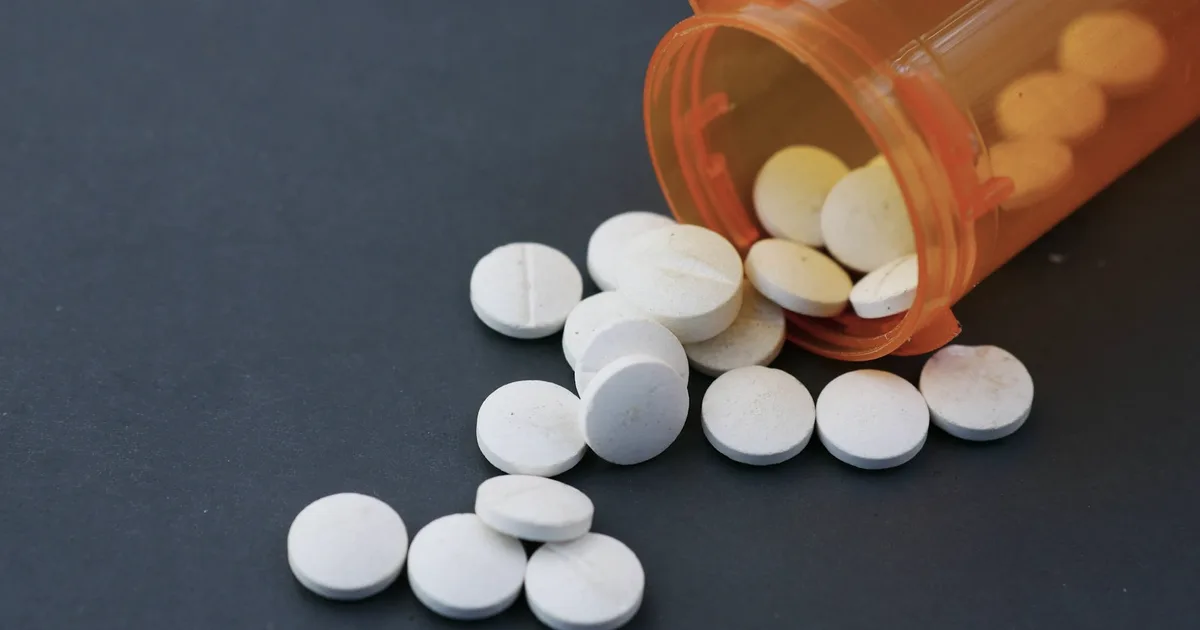
Stimulants: methylphenidate and amphetamines
Stimulants are the first-line treatment and the most studied. Methylphenidate is sold as Ritalin, Concerta, and others. The amphetamine family includes Adderall and Vyvanse. They differ mainly in how fast they kick in and how long they last. Concerta, for example, is a long-acting methylphenidate built to cover a full day from one morning dose. This is the group I tried, and my account of Ritalin is above.
Non-stimulants: Strattera, guanfacine, viloxazine
Strattera (atomoxetine) is the best known non-stimulant. It acts on noradrenaline instead of dopamine, and it takes several weeks to show an effect rather than working the same day. Guanfacine (Intuniv) and viloxazine (Qelbree) are other non-stimulant options. Non-stimulants are often chosen when stimulants cause too many side effects, when there is a cardiac concern, or when someone simply prefers not to take a stimulant. They tend to be gentler and slower.
Wellbutrin (bupropion) for ADHD
Wellbutrin is the brand name for bupropion, an antidepressant. It is used off-label for ADHD, which means doctors prescribe it for ADHD even though it is not officially approved for that use. A Cochrane review found it can help adult ADHD symptoms, with an effect that is real but generally smaller than stimulants. It comes up most often when someone has both ADHD and depression, or cannot take stimulants. I have not taken Wellbutrin, so I cannot describe it from the inside. If a prescriber suggests it, ask them to explain why it fits your specific situation.
Off-label antidepressants: Zoloft, Lexapro, Prozac
You will see questions about Zoloft, Lexapro, or Prozac for ADHD. These are SSRIs, and they do not treat ADHD. They treat anxiety and depression, which very often travel with it. A doctor might prescribe one alongside an ADHD medication to handle a co-occurring condition, but on their own they will not touch core attention symptoms. If anxiety is your main weight, that is a different conversation, and I cover it on the ADHD and anxiety page.
Is there ADHD medication without a prescription?
No. Every medication that genuinely treats ADHD needs a prescription, and stimulants are controlled substances on top of that. Anything sold over the counter as a natural ADHD pill is a supplement, not a medication, and it does not match a prescribed treatment.
I understand why people search for this. The path to a prescription can feel long: finding a clinician, waiting for an appointment, getting assessed. I went through it. But that gate exists for a reason. These drugs act on the central nervous system, the dose is tuned carefully, and a medical check comes first.
Products marketed over the counter for focus, caffeine pills, L-tyrosine, herbal blends, are supplements. A few have a small effect, most have almost nothing solid behind them. I went through what I tested on the nootropics page, including a focus stack people often ask about, Vyvamind. None of them equals a prescribed treatment, and I will not pretend otherwise.
Getting ADHD medication online. Telehealth has made prescriptions more reachable, which is genuinely good for people far from a specialist. The honest caveat: there is a real difference between a service that runs a proper clinical evaluation with a licensed prescriber, and a site that promises stimulants after a two-minute form. The second kind ranges from useless to dangerous. If an online service skips a real assessment, treat that as a warning sign.
Who can prescribe ADHD medication. It depends on your country, but it is usually a psychiatrist, and in many places a GP or family doctor, a neurologist, or a specialized nurse practitioner. The first prescription often follows a formal assessment. After that, renewals can frequently be handled by your regular doctor. The fastest legitimate route is to start the diagnosis process now, even if it takes months.
ADHD medication shortages and recalls
Since 2022, stimulant shortages have been a recurring problem in several countries. In the United States the FDA has listed Adderall and other stimulants as in short supply, and methylphenidate has seen supply tension in Europe too. In practice it means reaching the pharmacy and learning your usual brand or dose is not in stock.

You will also see headlines about an ADHD medication recall. A recall is specific: a particular batch pulled for a quality issue, not the drug itself being declared unsafe. It is worth checking whether a recall actually affects your batch number rather than assuming the worst. Your pharmacist can tell you.
What helps with a shortage: refill a few days early, ask your pharmacist to check other locations or order stock, and tell your prescriber. One brand of methylphenidate can often be swapped for another with a similar release profile, but that is a medical decision. The one thing not to do is stop abruptly because the shelf is empty. Stimulants have no true withdrawal syndrome, but the sudden return of ADHD symptoms can be rough. If you get stuck, call your prescriber rather than going without.
What are the side effects of ADHD medication?
The most common ADHD medication side effects are appetite suppression, insomnia, increased heart rate, anxiety, irritability during the end-of-day crash, and for some people emotional blunting. Faraone et al. (2021) list these as the most frequently reported effects in the adult methylphenidate literature. Most are dose-dependent and ease once the dosage is adjusted with your doctor.
Appetite loss. The most common and most constraining effect day to day. Methylphenidate kills the hunger signal. Concretely, I would forget to eat until 4pm, then come home starving and eat too much too fast. I lost four kilos in two months without meaning to. What helped: a real breakfast before taking the dose, and scheduling meals even without hunger. The catch is that this requires the discipline ADHD is precisely missing.
Sleep disruption. Stimulants can delay sleep onset, especially if the dose is taken too late in the day. Immediate-release Ritalin lasts 3-4 hours, extended-release forms (Concerta, Ritalin LA) last 8-12 hours. Your psychiatrist will adjust timing to avoid overlap with bedtime. If insomnia persists after two weeks, raise it immediately, you should not have to endure it.
Heart rate and blood pressure. Stimulants slightly raise both. That is why a cardiology workup is required before prescription and regular checks are recommended. For most healthy adults, the increase stays moderate and is well tolerated. With a cardiac history, the doctor will weigh benefit/risk or switch to atomoxetine (non-stimulant).
Anxiety and irritability. Some people feel anxiety rise on stimulants, especially early on or if the dose is too high. For me, the effect was the opposite during the medicated window (I felt calmer), but the end-of-day crash brought sharp irritability. This crash pattern is documented in roughly 30% of treated adults in clinical reviews. If crash irritability becomes unlivable, the doctor can prescribe a top-up dose or change the formulation.
Emotional blunting. The effect that made me stop after four months. Cognitively, the medication worked. Emotionally, I felt in a "less" mode. Less joy, less sadness, less intensity. It is subjective, it does not affect everyone, but it is documented as "emotional blunting" in the literature. For some it is a relief (ADHD emotional dysregulation is exhausting). For me, it was a loss. This is not a side effect to minimize in the decision.
Rare but worth knowing. Headaches, dry mouth, sweating, nervous tics (rare). Very rare serious effects: psychotic episodes in predisposed individuals, serious cardiac issues in at-risk individuals. This is why the initial workup exists.
Important. Most side effects are dose-dependent and peak early in treatment, then fade over a few weeks. The golden rule is start low and go slow with your doctor. And never stop stimulants abruptly: not because of a withdrawal syndrome per se, but the return of ADHD symptoms can be brutal and destabilizing.
What comes after medication?
After Ritalin, I looked for alternatives. Not to replace one medication with another over-the-counter medication. But to see whether certain supplements or lifestyle changes could help me manage the symptoms that bothered me most day to day.
That is what led me to nootropics. I do not claim they are equivalent. The research does not say so, and neither does my experience. But for me, it is a compromise that works better for now.
If medication works for you, good. If you try it and stop, that is fine too. If you do not want to take it, that is your right. There is no universal right answer. There is your answer. Annick Vincent, in the book I reviewed here, says it in one line I wish I had read while I was on Ritalin: the decision to take medication is not a lifelong contract.
Common questions
Does Wellbutrin help with ADHD?
Wellbutrin (bupropion) is an antidepressant used off-label for ADHD. Studies suggest a modest benefit on attention, smaller than stimulants. It is not a first-line ADHD treatment and is not FDA-approved for ADHD. Whether it suits you is a decision for your prescriber.
What is Strattera and how is it different from stimulants?
Strattera (atomoxetine) is a non-stimulant. It works on noradrenaline rather than dopamine and builds up over several weeks instead of working the same day. It is often used when stimulants are not suitable or not wanted.
Can you get ADHD medication without a prescription?
No. Every medication that genuinely treats ADHD needs a prescription, and stimulants are controlled substances. Anything sold over the counter as a natural ADHD pill is a supplement, not a medication.
Is it safe to get ADHD medication online?
A telehealth service with a real clinical evaluation and a licensed prescriber can be fine. Be cautious of sites that promise stimulants after a two-minute form. Those range from useless to dangerous.
Who can prescribe ADHD medication?
Usually a psychiatrist, and in many places a GP, a neurologist, or a specialized nurse practitioner. The first prescription often follows a formal assessment, and renewals can then be handled by your regular doctor.
Can you take ADHD medication while pregnant?
This is a decision to make only with your doctor. Data on stimulants during pregnancy is limited. Never start, stop, or change an ADHD medication on your own if you are pregnant or planning to be.
What are the signs an ADHD medication dose is too low?
Symptoms that barely change, an effect that fades long before the next dose, or only a few clear hours of focus a day. A low starting dose is common. The fix is a structured review with your prescriber, not self-adjusting.
References
- Cortese, S. et al. (2018). Comparative efficacy and tolerability of medications for attention-deficit hyperactivity disorder in children, adolescents, and adults: a systematic review and network meta-analysis. The Lancet Psychiatry, 5(9), 727-738. PubMed
- Faraone, S. V. et al. (2015). Attention-deficit/hyperactivity disorder. Nature Reviews Disease Primers, 1, 15020. PubMed
- Verbeeck, W. et al. (2017). Bupropion for attention deficit hyperactivity disorder (ADHD) in adults. Cochrane Database of Systematic Reviews, 10, CD009504. PubMed
- National Institute for Health and Care Excellence (NICE). Attention deficit hyperactivity disorder: diagnosis and management (NG87). nice.org.uk
- U.S. Food and Drug Administration. FDA Drug Shortages database. accessdata.fda.gov